IVR Service
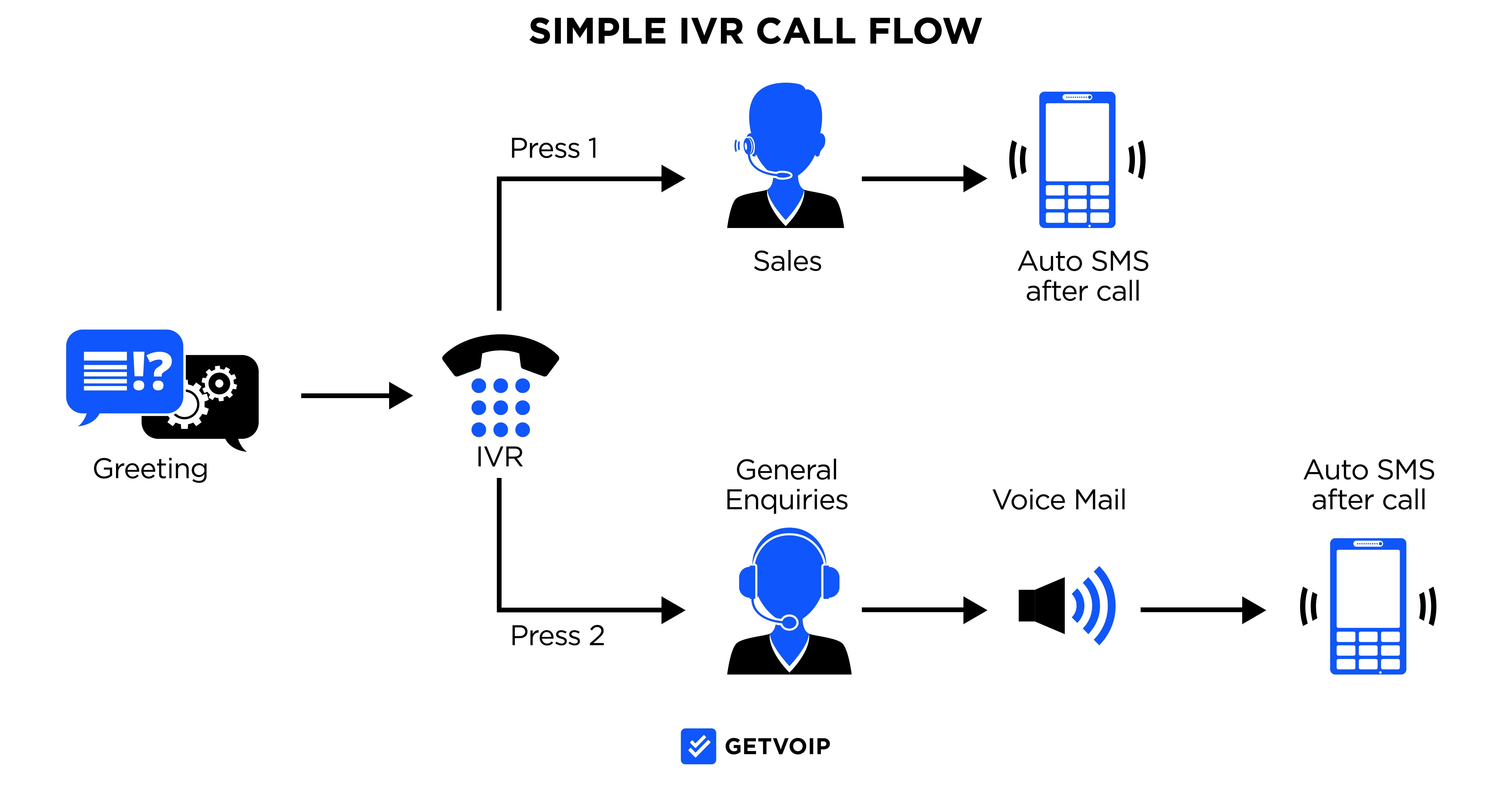
Interactive Voice Response (IVR) is a telephony technology that allows callers to interact with a computerized system using voice or keypad inputs. Typically used in customer service environments, IVR systems guide callers through a series of automated menus to direct them to the appropriate department or information. For example, a customer might call a company's support line and be prompted to press a number corresponding to their query, such as "Press 1 for billing" or "Press 2 for technical support." IVR can handle routine inquiries such as checking account balances, updating personal information, or providing business hours, freeing up human agents to address more complex issues.
- Automated Call Routing
- Self-Service Capabilities
- 24/7 Availability
- Personalization
- Cost-Effective
- Speech Recognition
One of the main benefits of IVR is that it improves operational efficiency by automating the handling of large volumes of calls and providing immediate, round-the-clock support without human intervention. It also enhances customer experience by reducing wait times and offering personalized responses, especially when integrated with databases or CRM systems. Moreover, modern IVR systems often use advanced features like speech recognition, allowing customers to speak naturally instead of navigating through rigid menus, and integrating with mobile apps and cloud-based services for more seamless interactions.
What Benefit You Will Get
Implementing an Interactive Voice Response (IVR) system offers significant benefits for both businesses and their customers. One of the primary advantages is cost savings—by automating routine tasks such as answering frequently asked questions, processing payments, or providing account information, businesses can reduce the need for a large customer support team. This not only lowers operational costs but also improves efficiency, as IVR systems can handle a high volume of calls simultaneously, reducing wait times and ensuring customers receive prompt responses. Additionally, IVR offers 24/7 availability, allowing businesses to provide round-the-clock service, which is especially valuable for companies operating across different time zones or in industries that require constant accessibility.
From the customer perspective, IVR systems enhance the overall experience by offering quick, easy access to relevant information or services without waiting for a live agent. Personalized options, such as greeting callers by name or tailoring menu options based on previous interactions, can make the process more efficient and customer-centric. The system also scales easily, allowing businesses to handle increased call volumes without additional human resources, and provides valuable data insights that help businesses better understand customer needs and preferences. This combination of automation, availability, and data-driven decision-making helps improve customer satisfaction while optimizing internal operations.
Our Working Proccess
The working process of an Interactive Voice Response (IVR) system begins when a customer calls into a business’s phone line and is greeted with an automated message or menu. The caller is then prompted to choose from a series of options, either by pressing numbers on their phone keypad or speaking commands. Based on their input, the IVR system routes the call to the appropriate department, provides requested information, or enables the completion of certain tasks, such as checking balances or making payments. If necessary, the system can also transfer the call to a live agent for further assistance. Throughout the process, the IVR gathers data on customer interactions and can offer personalized responses based on previous information, ensuring efficient call handling and a seamless user experience.